
Keynote Speakers

The following distinguished Speakers have accepted our invitation to give a Keynote Lecture at the Congress. The list is being updated.
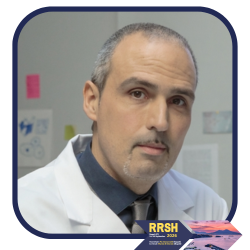
Filippo Acconcia
Professor
Department of Science, University Roma TRE, Rome, Italy
His research investigates the cellular and molecular principles governing estrogen receptor α (ERα) signaling. His work has elucidated how post-translational modifications (i.e., palmitoylation and phosphorylation), membrane association, and intracellular trafficking dynamically regulate ERα activity and signal integration. By linking membrane-initiated and nuclear receptor functions, his studies have contributed to a revised physiological framework of estrogen signaling. This research has advanced the understanding of how estrogen controls cell proliferation, migration, and homeostasis in hormone-responsive tissues. Recently, he has contributed in the field of estrogen-responsive breast cancer by characterizing novel natural ERα point mutations.
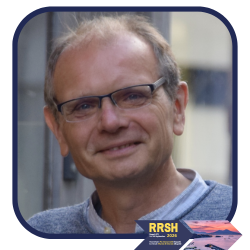
Carsten Carlberg
Professor
School of Medicine, Institute of Biomedicine, University of Eastern Finland, Kuopio, Finland
InLife, Institute of Animal Reproduction and Food Research, Polish Academy of Sciences, Olsztyn, Poland
Carsten Carlberg is a German biochemist, who is since more than 25 years full professor at the Institute of Biomedicine of the University of Eastern Finland in Kuopio. In addition, since early 2022 Dr. Carlberg is also ERA Chair holder for Nutrigenomics in the WELCOME2 project at the Institute of Animal Reproduction and Food Research, Polish Academy of Sciences in Olsztyn, Poland.
During his time as a postdoc at the Central Research Unit of Roche in Basel (Switzerland), Dr. Carlberg was introduced to vitamin D and focused his investigations on the mechanisms of gene regulation by the micronutrient, its metabolites and synthetic analogues. Dr. Carlberg contributed with some 200 original and review articles to the field of vitamin D, in particular to the understanding of transcriptome- and epigenome-wide effects of vitamin D in human immune cells.
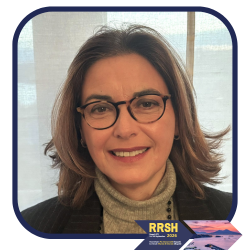
Gilda Cobellis
Professor
General Pathology, Università della Campania, Napoli, Italy
The research activity is focused on the molecular basis of stem cell pluripotency and lineage specification in mammals. The main interest is to understand stem cell differentiation, using adult and embryonic stem cells along specific pathways and to develop new tools aimed at understanding the physiopathological mechanisms of human diseases. Recently she moves in understanding mechanisms underlying cancer cells plasticity. She focused on glucocorticoid receptor and glucocorticoids action in pancreatic adenocarcinoma (PDAC) and high grade serous ovarian cancer (HGSOC).
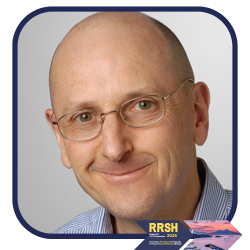
Gian-Paolo Dotto
Professor
Harvard Medical School, USA
Director
Laboratory of Skin Aging and Cancer Prevention, Massachusetts General Hospital, USA
President
International Cancer Prevention Institute, Switzerland
Prof. Gian-Paolo Dotto is professor of Dermatology at Harvard Medical School, director of the Laboratory of Skin Aging and Cancer Prevention, in the Dermatology Department at Massachusetts General Hospital, emeritus professor of Biochemistry at the University of Lausanne, President of the International Cancer Prevention Institute and Founder and CSO of EpiKare Bio, a start-up company based on novel tools to counteract skin aging and cancer by epigenetic intervention. He is an elected member of the European Molecular Biology Organization (2011), the Academia Europaea (2012), the Leopoldina German National Academy of Sciences (2014) and an Overseas Fellow of the Royal Society of Medicine (2018). He is the recipient of a number of awards, including the American Skin Association Achievement Award (2012), an ERC Advanced investigator grant award (2013) the Jurg Tschopp Award for Excellence in Biological Sciences (2015) and the Life Time Achievement Award from the University of Lausanne, School of Medicine and Biology (2020). He is a Honorary Professor at Barts Center for Squamous Cancer, Queen Mary’s University, London. In 2025 he founded Epikare Bio, a start-up that focuses on a platform built around a key nuclear kinase, which drives both aging-related changes and precancerous lesions in the skin.
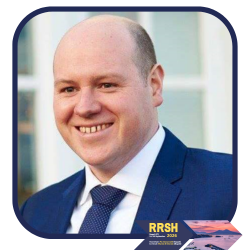
Harry Harvey
Doctor
Consultant Medical Oncologist, Cork University Hospital, Cork, Ireland
Dr. Harry Harvey is a Consultant Medical Oncologist at Cork University Hospital, Ireland, with an academic appointment at University College Cork. His subspecialty focuses on gastrointestinal and hepatobiliary cancers. He completed a degree in Biochemistry at Trinity College Dublin, followed by a PhD in Cancer Genetics at the Royal College of Surgeons in Ireland, where his work on chemotherapy resistance and tumour biology helped bridge laboratory science and clinical oncology. He subsequently studied medicine at University College Cork and returned to Cork after an advanced clinical and research fellowship in gastrointestinal oncology at the Princess Margaret Cancer Centre in Toronto, where he served as Chief Fellow in Medical Oncology. His research includes collaborative work with his father, Professor Brian J. Harvey, on sex differences and oestrogen signalling in colon cancer.
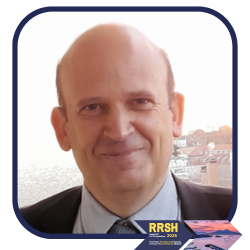
Yves Jacquot
Professor
Therapeutic Targets and Drug Design, Faculty of Pharmacy,
Paris Cité University, Paris, France
Yves Jacquot is full professor of medicinal chemistry at the Faculty of Pharmacy of Paris and pursues his research in the CNRS and INSERM. Since about 30 years, he dedicates his research work principally to estrogen-dependent diseases. His research started in 1995 in collaboration with Guy Leclercq (ULB, Brussels, Belgium), on the modulation of the estrogen receptor alpha. From 2014, he focuses his research on the control of the GPER protein, a seven-transmembrane receptor discovered in 1997 that participates in the growth of mammary adenocarcinomas including triple negative breast carcinoma. He described the independence between estrogenicity and cell proliferation and he developed the first peptidic GPER modulator. From 2012 to 2019, he collaborated with Etienne-Emile Baulieu on the modulation of the protein FKBP52, a steroid hormone receptor-interacting protein, in the context of Alzheimer’s disease. In the same context, he participated in the understanding of the phosphorylation mechanisms that are responsible for the aggregation of the protein tau. In September 2022, he organized in France the 13th International RRSH meeting, which took place at the Sorbonne, in Paris. Dr. Jacquot is membered of the Swiss Academia of Pharmaceutical Sciences.
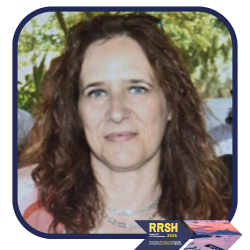
Marilena Kampa
Professor
Experimental Endocrinology, School of Medicine, University of Crete, Greece
Marilena Kampa holds a BSc degree (Hons) in Biomedical Sciences (University of Sunderland, UK) and a PhD in Experimental Endocrinology (School of Medicine University of Crete, Greece). She worked as a Research and Teaching Associate at the University of Crete, School of Medicine (2002-2008) and a Post-Doctoral Fellow at the Institute Jules Bordet, University Libre of Brussels, Belgium (2009). Since 2009, she is a faculty member (currently Professor of Experimental Endocrinology) at the Medical School, University of Crete (2009) and Director of the Experimental Endocrinology-Clinical Immunology Lab, University Hospital, Heraklion, Crete (2019). Her academic role also includes Head of the Department of Laboratory Medicine and a member of the Board of Directors at the Medical School, University of Crete. Her research is devoted on the hormonal (opioids, steroids) and natural agents’ health beneficial effects. During the 25 years of her research career, her interests evolved from the action of neuropeptides, to the action of membrane steroid receptors in breast and prostate cancer. Her work has been awarded the L’Oreal-Unesco Award for young women in science in 2007. She is co-author of 118 peer-reviewed papers (h-index:35) and co-inventor in 7 international patent applications and has been funded by competitive National and European programs. Her recent work is focused on studying the mechanisms involved in the membrane-initiated steroid action, and its significance in cancer. She has identified and characterized OXER1 as a new membrane androgen receptor and currently explores its role in cancer and inflammation and its potential as a therapeutic target.
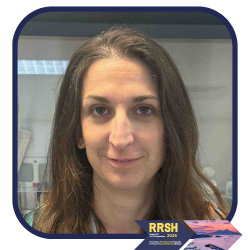
Coralie Poulard
PhD, HDR
CRCN researcher INSERM, Cancer Research Center of Lyon, France
————
Dr. Coralie Poulard, PhD, HDR, is an INSERM Research Scientist at the Cancer Research Center of Lyon (CRCL), Université Claude Bernard Lyon 1, France. She obtained her PhD in Cancer Biology in 2013, where she investigated non-genomic estrogen receptor signaling pathways associated with poor prognosis and endocrine therapy resistance in breast cancer. She then completed a five-year postdoctoral fellowship (2013–2018) at the University of Southern California (USC) in Los Angeles in the laboratory of Prof. Michael Stallcup, where she demonstrated the therapeutic potential of targeting glucocorticoid receptor coregulator activity in B-acute lymphoblastic leukemia.
Since returning to France, she has developed an independent research program within the teams of Dr. Muriel Le Romancer and Dr. Olivier Trédan at CRCL, focusing on the regulation and function of the glucocorticoid receptor in breast cancer. Her work is supported by competitive funding, including ANR grants, and has led to several high-impact publications (e.g., PNAS, EMBO Molecular Medicine, Science Advances, Nature Communications).
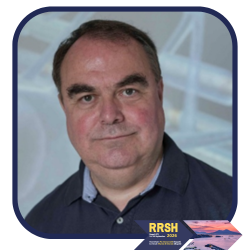
Michael Schumacher
PhD, Senior Director of Research Emeritus
French National Institute of Health and Medical Research, France
Michael Schumacher, PhD, is Senior Director of Research Emeritus at Inserm, the French National Institute of Health and Medical Research (ORCID 0000-0001-6117-5371). In 1998, he succeeded Etienne-Emile Baulieu as head of the research unit founded by him and directed the laboratory until 2026. A major line of the laboratory’s research has focused on the synthesis, metabolism, mechanisms of action, and functions of neurosteroids in the central and peripheral nervous systems. Particular emphasis continues to be placed on their roles in neuroprotection, brain resilience to injury and disease, and myelin regeneration. Major contributions from the group include the demonstration of the roles of endogenous progesterone and its metabolites in neuroprotection, myelin repair, and enhancement of the brain’s resistance to injury and neurological disease. The laboratory has also developed advanced methods for comprehensive neurosteroid profiling using gas chromatography-tandem mass spectrometry (GC-MS/MS), providing important insights into their metabolism within the nervous system. More recent studies conducted with Abdel Ghoumari, Associate Professor at University Paris-Saclay, reveal that myelin regeneration in the adult CNS is strictly dependent in males on testes, testosterone, and androgen receptor (AR) signaling in the brain, acting in cooperation with the chemokine receptor CXCR4. In females, ovarian estrogens play an essential role in myelin repair. Michael Schumacher obtained his PhD in biological sciences from the University of Liège (Belgium) under the supervision of Jacques Balthazart. He subsequently carried out postdoctoral research in the laboratory of Bruce S. McEwen at Rockefeller University (New York) before joining the laboratory of Etienne-Emile Baulieu in 1991 as Assistant Professor of Biochemistry. He also served for ten years as Dean of the Doctoral School “Signaling and Integrated Networks in Biology” at University Paris-Saclay.
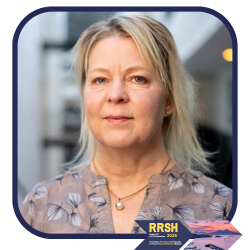
Cecilia Williams
Professor
Dept Protein Science, SciLifeLab, KTH Royal Institute of Technology, and Dept. Medicine Huddinge, Karolinska Institutet, Stockholm, Sweden
Professor, Department of Protein Science, SciLifeLab and KTH Royal Institute of Technology; Department of Medicine, Huddinge, Karolinska Institutet, Stockholm, Sweden